A child standing near the classroom door may look small, but the choice to walk inside can feel enormous. The best books about brave choices help children see that courage is not always loud or fearless. Sometimes it is taking a deep breath, asking for help, telling the truth, or trying one more time with a caring grown-up nearby.
For children ages 3 to 6, brave choices are usually close to home. They happen at bedtime, on the playground, at the doctor’s office, during a first swim lesson, or after a mistake. A gentle story gives those moments a shape children can understand. It also gives families simple words to use when big feelings arrive.
What bravery can look like for young children
Many preschoolers hear that being brave means doing something scary. That is part of it, but it is not the whole story. Bravery can also mean choosing kindness when someone feels left out, speaking up when something is unfair, or admitting that a new experience feels hard.
The most comforting books do not rush children past fear. They make room for it. They show a character feeling worried, angry, shy, or disappointed, then taking one manageable next step. This matters because a child does not need to become fearless. They need to learn that feelings can be carried with care.
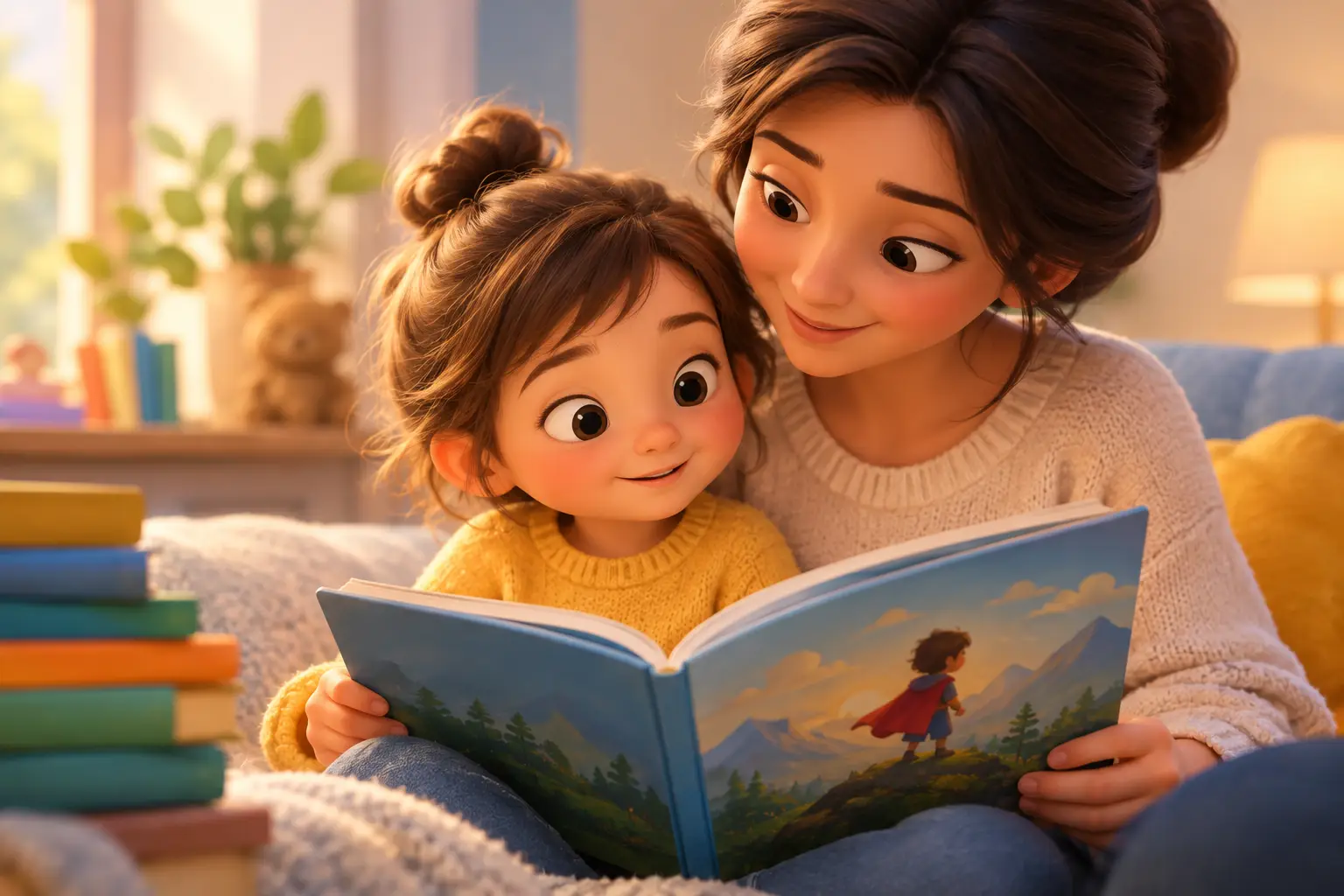
These stories are especially helpful when read slowly, with a pause for your child’s thoughts. You may find that the brave choice in the book becomes a gentle bridge to something happening in their own day.
12 best books about brave choices for kids
1. Jabari Jumps by Gaia Cornwall
Jabari is ready to jump from the high diving board, until he reaches the top and discovers that readiness can wobble. His father does not push or shame him. Instead, he offers patience and space. This is a lovely choice for children facing a new skill, because it shows that pausing, breathing, and trying again are all part of courage.
2. The Kissing Hand by Audrey Penn
Chester Racoon does not want to leave his mother for school. His mother shares a small ritual that helps him carry her love with him. The brave choice here is separation in a safe, tender form. This book can be especially reassuring before preschool, kindergarten, a babysitter visit, or any new routine away from home.
3. The Thing Lou Couldn’t Do by Ashley Spires
Lou is wonderfully adventurous until her friends want to climb a tree. Suddenly, she has found the one thing she cannot do yet. Rather than forcing a perfect ending, the story honors her disappointment and leaves room for future growth. It is a kind reminder that bravery does not always mean doing the hard thing right away.
4. The Dot by Peter H. Reynolds
Vashti believes she cannot draw. With one small dot and an encouraging teacher, she begins to make marks, take risks, and discover her own creative voice. This is a gentle story about trying when a child is afraid of getting something wrong. It works beautifully for little perfectionists who avoid an activity because they fear they will not do it well.
5. After the Fall by Dan Santat
Humpty Dumpty is healing after a frightening fall, but returning to the wall feels impossible. The story makes space for recovery and shows that courage can come after a setback. Some children may need support with the fall itself, especially if they are sensitive, but the hopeful ending can open a caring conversation about trying again after being scared.
6. Be Kind by Pat Zietlow Miller
After a classmate spills grape juice, one child begins to wonder what kindness really looks like. The answers are small and practical: sitting with someone, sharing, listening, and including. Choosing kindness can take courage, especially when it means noticing someone who feels alone. This book offers warm, doable examples that young children can carry onto the playground.
7. The Invisible Boy by Trudy Ludwig
Brian is quiet, overlooked, and often left out. When a new student includes him, others begin to see him differently. This story holds two kinds of bravery: the courage to reach toward someone who is alone and the courage to let yourself be known. It is a thoughtful pick for children learning about friendship groups and belonging.
8. The Smallest Girl in the Smallest Grade by Justin Roberts
Sally notices the little hurts around her school: someone being teased, trash left behind, a child sitting alone. Eventually, she finds her voice and asks others to help. The rhyming text keeps the message approachable, while the story shows that speaking up can begin with simply paying attention. For younger readers, pause to explain that telling a trusted adult is a brave and helpful choice.
9. The Koala Who Could by Rachel Bright
Kevin the koala likes everything to stay familiar. He stays high in his tree, safe from change, until a surprising moment asks him to move. The bouncy rhythm makes this an inviting read-aloud, while Kevin’s journey gently reflects the worries many children feel before a new class, activity, or family change. Its message is simple: a small try can lead somewhere good.
10. The Snail and the Whale by Julia Donaldson
A tiny snail longs to see the world, even though the other snails insist that staying put is best. Later, that same little snail uses her voice and clever thinking to help a whale in trouble. The adventure is larger than everyday preschool life, but its heart is very familiar: small people can have important ideas, and asking others for help can make a difference.
11. The Bad Seed by Jory John
The Bad Seed has a reputation for rude behavior, and he has reasons for feeling hurt. Still, he decides he wants to make different choices, one small step at a time. The humor keeps the story light, but its emotional message is meaningful. Children can learn that mistakes and difficult feelings do not define them, and that making amends is a brave choice.
12. Ruby Finds a Worry by Tom Percival
Ruby discovers a worry that follows her everywhere and grows when she keeps it to herself. When she finally talks about it, she learns that worries become smaller when shared. This book is not about conquering fear through force. It is about the quiet courage of saying, “I need help.” For many children, that is one of the bravest choices of all.
How to make a brave-choice story feel useful
You do not need to turn every read-aloud into a lesson. Often, a soft question is enough. After reading, you might ask, “What felt hard for that character?” or “Who helped them feel safe?” Let your child answer in their own way, even if their answer is short, silly, or unrelated at first.
If a story connects to a real worry, keep the next step very small. A child nervous about swim class might choose a bathing suit today, watch from the side tomorrow, and enter the water when they are ready. A child worried about speaking to a new friend might practice one simple sentence at home. Courage grows more easily when children feel they have choices and support.
It also helps to name the bravery you already see. “You told me you were upset.” “You tried even though your hands felt shaky.” “You helped your sister after she was sad.” Specific words help children recognize that courage is already part of them.
The right book depends on what your child needs most. A child preparing for school may find comfort in The Kissing Hand, while a child recovering from a disappointment may connect more deeply with After the Fall. There is no single story that fits every worry. The best one is often the book that helps your child feel seen, safe, and a little less alone.
When a hard moment comes, you can remind your child of a character they know: they can take a breath like Jabari, share a worry like Ruby, or try one small new thing like Kevin. Then stay close. For a young child, courage often begins with a warm hand to hold.