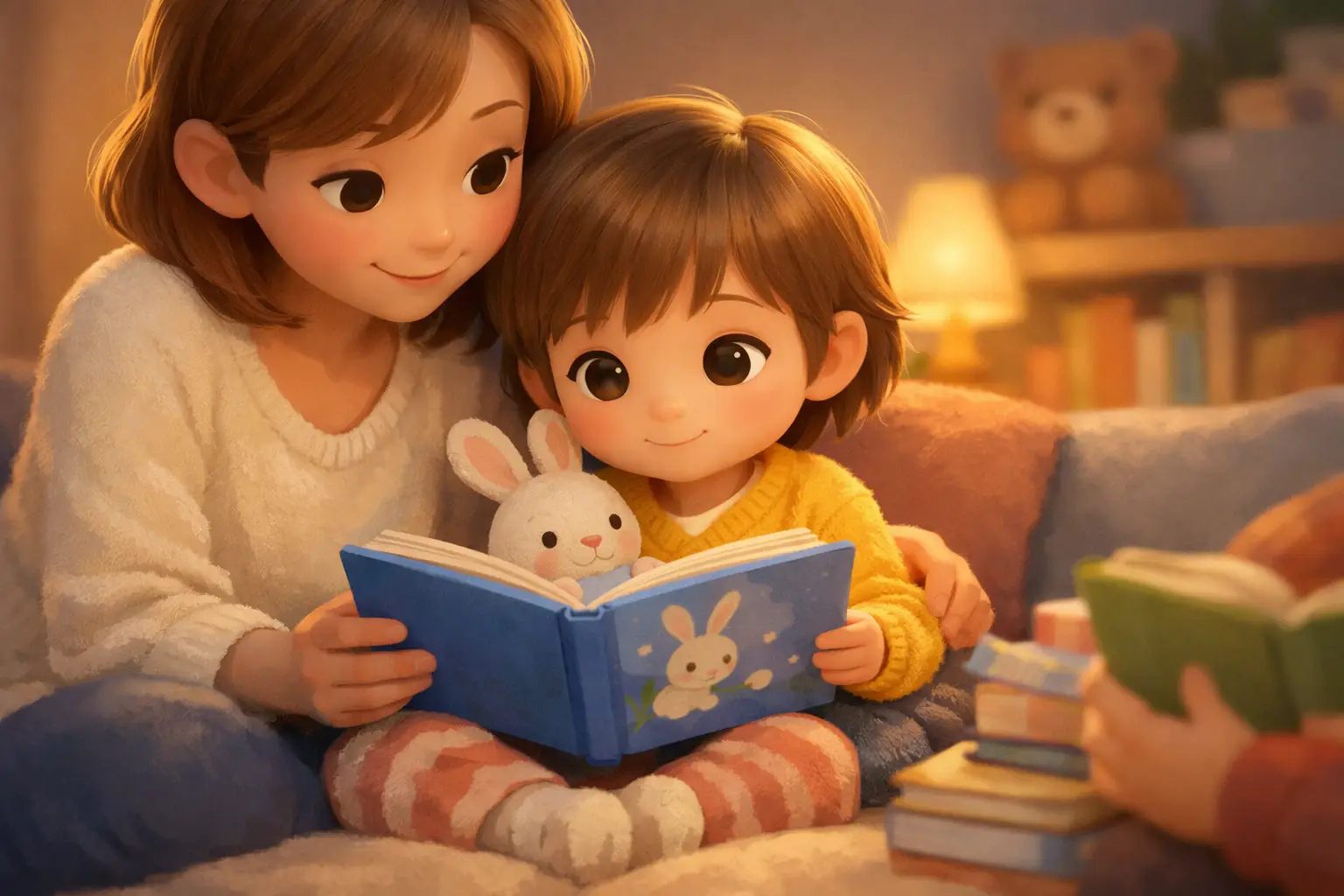
A child who watches from the edge of the playground is not doing anything wrong. They may be taking in the noise, learning the rhythm of a new group, or waiting for a moment that feels safe enough to join. Books for shy preschoolers can offer a quiet kind of companionship: a character who feels nervous too, a small problem that can be faced slowly, and a gentle reminder that bravery does not have to be loud.
For children ages 3 to 6, the best stories do not try to rush shyness away. Instead, they make room for it. They show that a child can be quiet, observant, imaginative, and still find friendship in their own time.
What shy preschoolers may need from a story
Shyness is not a flaw to fix. Some children warm up quickly in a new room, while others need several visits, a familiar grown-up nearby, or one kind invitation before they are ready to speak. A picture book can help a child see that this experience is shared by others.
Look for stories with calm illustrations, a clear emotional thread, and manageable moments of change. A child may connect with a character who worries about school, hesitates to join a game, feels different from classmates, or prefers a cozy corner before trying something new.
The ending matters, too. A gentle story does not need to turn a quiet child into the loudest singer at circle time. Often, the most comforting ending is one where the character takes one small step: saying hello, sharing a toy, answering a question, or simply staying in a new place until it feels more familiar.
10 books for shy preschoolers and quiet hearts
These books each hold a different part of the shy-child experience. You do not need to read them all at once. Choose the one that feels closest to what your child is living through right now.
- Shy by Deborah Freedman follows a small bird who loves making art but is hesitant to share it. The story honors the private world of a creative, cautious child while showing how connection can grow when they are ready.
- Wemberly Worried by Kevin Henkes is a tender choice for preschool transitions. Wemberly worries about many things, especially starting school, and children may feel relieved to see that even a worried first day can hold a new friendship.
- The Rabbit Listened by Cori Doerrfeld is not specifically about shyness, but it is a beautiful story about being present with big feelings. When a child has had an overwhelming social moment, this book reminds them that they do not always need advice or a quick solution. Sometimes they need someone to sit close and listen.
- The Invisible Boy by Trudy Ludwig, illustrated by Patrice Barton gently explores what it feels like to be overlooked. Brian is quiet and often left out, until one small act of kindness begins to change his place in the group. It can open a caring conversation about noticing children who may be standing nearby without joining in.
- The Name Jar by Yangsook Choi centers on a child beginning school in a new country and wondering whether her name will be accepted. While its experience is specific, the feelings of being new, unsure, and watched by others may speak to many preschoolers.
- Giraffes Can’t Dance by Giles Andreae, illustrated by Guy Parker-Rees brings a playful confidence message to children who fear being judged. Gerald does not need to copy everyone else. He finds his own music and his own way of moving. For some children, that idea lands more softly than being told to simply “be brave.”
- Chrysanthemum by Kevin Henkes follows a young mouse who loves her name until classmates make unkind comments. The book supports conversations about self-worth, belonging, and the power of words. It may be especially helpful for children who take peer reactions deeply to heart.
- Lola at the Library by Anna McQuinn, illustrated by Rosalind Beardshaw offers something quieter: the comfort of a familiar routine. Lola’s weekly library visit is full of small, predictable pleasures. For a child who needs calm before or after busy social settings, a story without a big conflict can feel wonderfully steady.
- The Smallest Girl in the Smallest Grade by Justin Roberts, illustrated by Christian Robinson shows that quiet noticing can be a strength. Sally sees what others miss and eventually uses her voice to make a difference. The message is not that every child must speak up right away, but that paying close attention has value.
- My Friend Is Sad by Mo Willems is a simple, funny book about trying to help a friend feel better. Its clear expressions and short text make it approachable for preschoolers, while its friendship theme offers an easy way to talk about noticing and responding to someone else’s feelings.
How to read a gentle book without turning it into a lesson
A caring question can help a story stay with a child, but too many questions can make reading feel like a test. Let the book do some of the work. Pause when your child points to an illustration, repeats a line, or becomes very quiet. Those moments often tell you more than a direct question would.
You might say, “That character wanted to stay close to her grown-up,” or, “He looks like he is not ready yet.” Then wait. If your child wants to talk, listen with warmth. If they want to turn the page, that is okay too.
After reading, offer a small connection to real life. “Sometimes a new class can feel big at first.” Or, “I wonder what would help your body feel cozy when we get to the birthday party.” Keep the focus on comfort and choices, not on pushing your child to perform.
Let the story become part of the routine
Books work especially well when they become familiar. Reading the same story before preschool, before a playdate, or at bedtime gives children language they can borrow when a feeling arrives. A child may not say, “I am experiencing social uncertainty,” but they may say, “I feel like Wemberly,” or ask to bring a favorite book in the car.
You can also pair a story with a tiny, realistic plan. Before a new activity, your child might choose one goal: wave at the teacher, hold your hand while they look around, or play beside another child for a few minutes. There is no prize for doing more than they can comfortably manage. The goal is to help them feel capable and supported.
If shyness is getting in the way of everyday comfort for a long time, such as frequent distress, silence that feels painful, or intense fear around familiar people, it can help to talk with your child’s pediatrician or teacher. Support is not about changing who your child is. It is about helping them feel safe enough to be themselves.
A quiet child does not need a louder personality to make a beautiful place in the world. With a warm lap, a familiar story, and time to grow, even the smallest hello can become a very brave beginning.