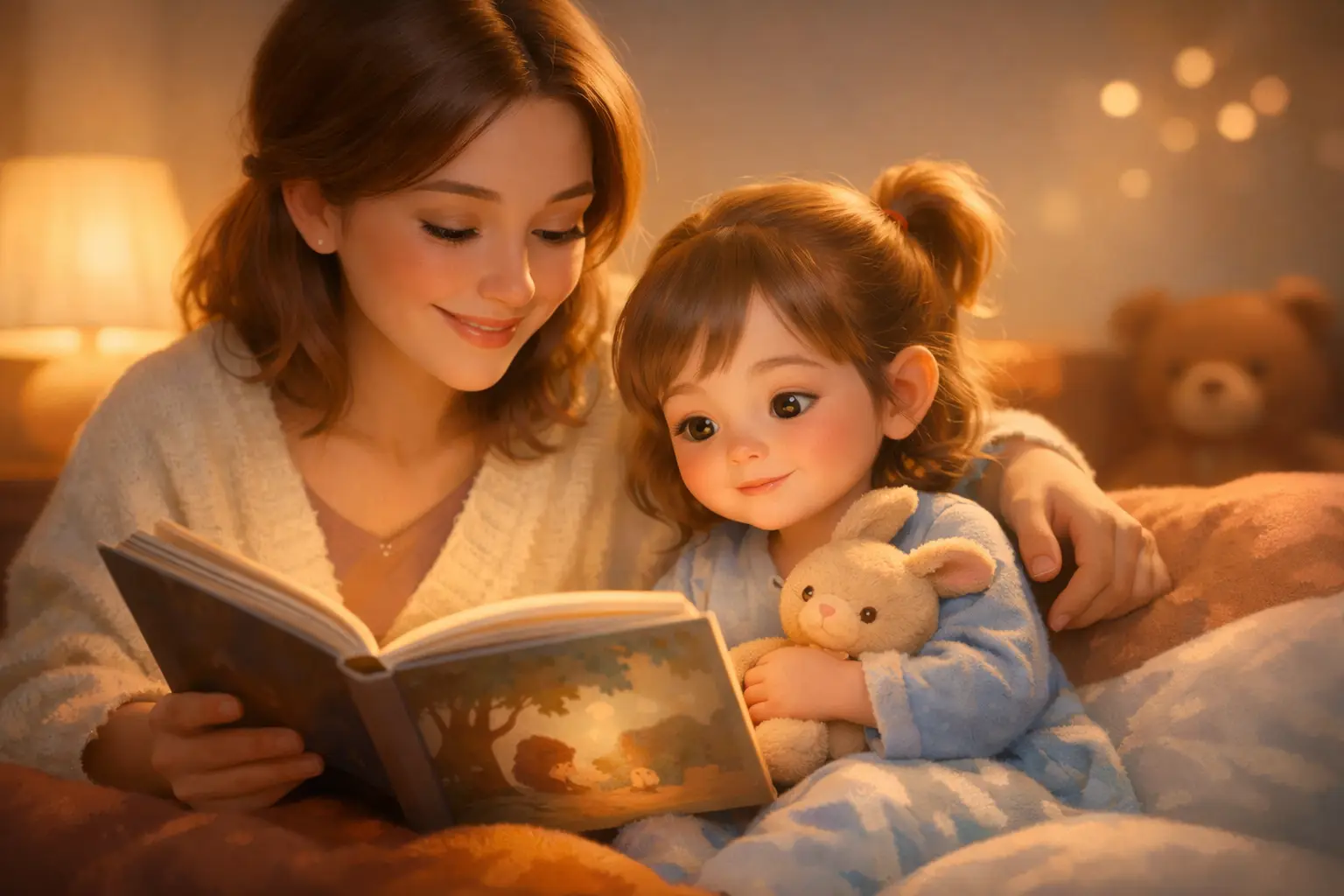
The moment before bedtime tells you a lot about what a young child needs. Some children want one more hug. Some ask the same question again. Some suddenly remember a worry they could carry all day but only speak aloud when the room gets quiet. Gentle stories for preschoolers meet children in that tender space. They do not rush past feelings or try to make childhood louder than it already is. They offer something steadier - a safe place to notice emotions, soften them, and practice what comfort can feel like.
For children ages 3 to 6, stories are not just entertainment. They are rehearsal. A child who listens to a character feel left out, make a mistake, or face a dark room is quietly learning, "That feeling happens to other kids too. It can be handled. I will be okay." That kind of emotional practice matters, especially for sensitive children who feel deeply and need a little more time, repetition, and reassurance.
What makes stories gentle for preschoolers
A gentle story is not simply slow or quiet. It is emotionally considerate. It respects the pace of early childhood and understands that preschoolers are still learning how to sort big feelings into words.
In practice, that often means the story keeps the stakes manageable. A lost toy, a first day worry, a misunderstanding with a friend, or fear at bedtime can feel enormous to a young child. Gentle storytelling treats those moments as meaningful without turning them into chaos. The problem is real, but it is not overwhelming. The child listener gets to feel concern without being flooded by it.
The language matters too. Preschoolers do best with clear, simple sentences and a warm rhythm they can follow. Repetition helps. So does predictability. When a soothing phrase returns, or a kind character responds in a familiar way, children begin to anticipate safety. That anticipation is part of what makes the story calming.
Visual and auditory tone also play a role when stories are shared through books, music, or video. Soft colors, slower pacing, and gentle voices support the same message the story is already giving: you are safe here, and this feeling can be faced.
Why gentle stories for preschoolers support emotional growth
Young children are often asked to do hard things before they have the language to explain how hard those things feel. They are expected to separate, wait, share, try, rest, recover, and begin again. A good story can make those daily challenges feel smaller and more manageable.
When children hear gentle stories for preschoolers regularly, they get more than a pleasant few minutes. They get emotional vocabulary. They begin to recognize feelings like disappointment, jealousy, nervousness, and pride. Even if they cannot define those words yet, they can connect them to moments and expressions. That is an early and important step in social-emotional learning.
Stories also help children understand that feelings move. A preschooler may believe a hard moment will last forever because that is how it feels inside a small body. But a gentle narrative shows a beginning, middle, and end. The character worries, gets support, and finds relief. That arc teaches something powerful without making a lesson feel heavy-handed: emotions change, and support helps.
There is also a quiet benefit for the parent or caregiver. Stories create a shared language. After hearing a story about a timid bunny or a worried bear, it becomes easier to say, "Are you feeling a little like the bear did?" That soft comparison can open a door that direct questions sometimes close.
The difference between calming and boring
Some adults worry that slower stories will not hold a preschooler's attention. Sometimes that is true. Not every child wants the same pace at the same time. But calm does not have to mean flat.
A gentle story still needs movement, curiosity, and emotional payoff. The question is not whether anything happens. The question is how it happens. Instead of loud surprises and constant stimulation, the story relies on connection. A child stays engaged because they care about the character and want to know if things will feel better.
That is a different kind of attention, and for many families, it is the kind they are actively trying to protect. Fast entertainment can capture a child for a moment. A gentle story can stay with them after the screen is off or the book is closed.
What parents can look for in gentle stories for preschoolers
If you are choosing stories for a 3- to 6-year-old, it helps to notice how the story handles emotion, not just whether the ending is happy. A gentle story makes room for the feeling before resolving it. It does not shame tears, mock fear, or push a child too quickly toward being "fine."
It also helps when characters model kind repair. Preschoolers are learning that people can make mistakes and still come back together. Stories about friendship work especially well when they include small missteps, honest apologies, and simple reconnection. That is more useful than a perfectly behaved cast, because real children are practicing real relationships.
You may also want to pay attention to sensory intensity. Some stories are labeled for young children but still include frantic pacing, sharp sound effects, or dramatic conflict. For some kids, especially at bedtime or after a long day, that can leave them more unsettled than soothed. It depends on the child, of course. Some children enjoy a little more excitement. But if your goal is emotional regulation, softer storytelling is often the better fit.
When gentle stories help most
These stories are especially valuable during transitions. Bedtime is the most obvious one, because children are moving from activity into rest and from company into separation. A gentle story can make that bridge feel warmer.
But bedtime is not the only moment that matters. Gentle stories can help before preschool drop-off, after a hard social moment, during family changes, or anytime a child seems emotionally full without knowing why. A short story about bravery, friendship, or trying again can offer a child a script for what they are living through.
They are also useful in calm moments, not only difficult ones. When children meet supportive stories before a challenge arrives, they build emotional familiarity. Then, when a hard moment does come, the ideas are already waiting for them.
Why repetition is part of the comfort
Adults often crave novelty. Preschoolers often crave mastery. That is why the same story, song, or favorite page may be requested again and again.
Repetition in gentle storytelling is not a flaw. It is part of the design. Each retelling gives a child another chance to process the feeling at the center of the story, to anticipate the comforting turn, and to rehearse the emotional lesson in a way that feels safe. What sounds repetitive to an adult can feel deeply regulating to a child.
This is one reason many families appreciate character-led worlds that carry the same emotional tone across books, songs, and story videos. When the style is consistent and the values are clear, children know what kind of experience they are entering. That familiarity can be a relief.
A soft story can still build courage
There is a common misunderstanding that gentle storytelling protects children too much or avoids real life. The best gentle stories do the opposite. They acknowledge the real fears and frustrations of early childhood, but they present them in a size a young child can carry.
Courage for a preschooler rarely looks dramatic. It looks like trying again after spilling, sleeping in their own bed, joining a game, speaking up, or saying sorry. Stories that honor these small acts teach children that bravery is not loud. Very often, it is quiet, shaky, and real.
That matters because children build confidence through manageable success, not emotional overload. When a story says, in effect, "This was hard, and kindness helped," it gives a child a practical model for resilience.
For families looking for media that supports that kind of growth, a calmer approach can feel like a breath out. Cozy Pebble Stories is built around that gentle emotional space, where children can meet comforting characters, name what they feel, and practice finding their way back to steady ground.
A good preschool story does not need to do everything at once. It just needs to help a child feel seen, safe, and a little more able to face the next small thing with a brave heart.