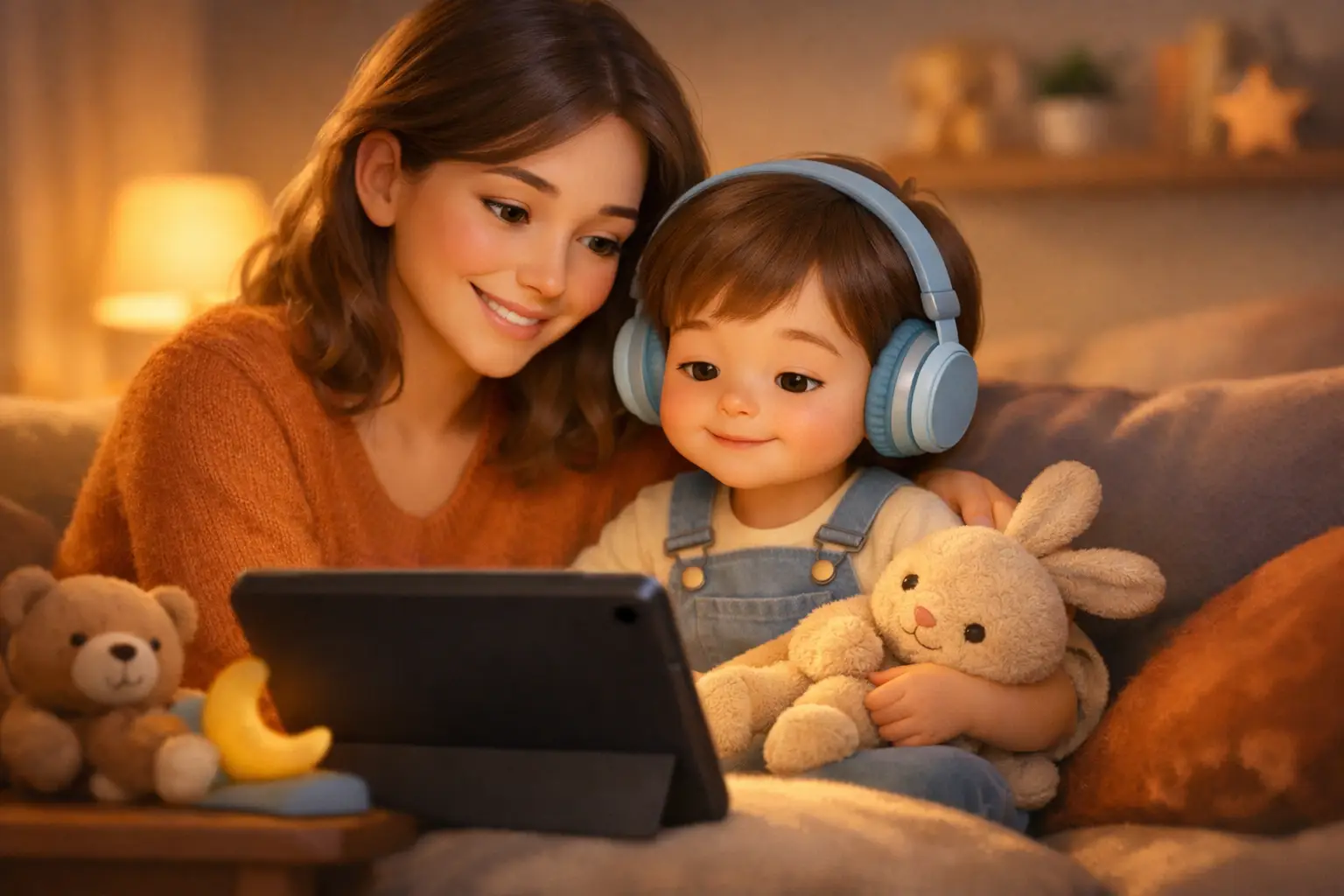
Some preschool videos leave children buzzy, distracted, and asking for one more episode with glassy eyes. Others help a child settle into the couch, lean into a caregiver, and quietly absorb something good. When parents search for the best preschool stories on YouTube, that difference matters more than flashy animation or huge view counts.
For children ages 3 to 6, a story is rarely just a story. It can become a gentle way to practice bravery before preschool, talk about hurt feelings after a hard playdate, or soften the edges of bedtime worries. That is why the best choices are not always the loudest or fastest. Very often, they are the ones that make room for a child to feel safe, curious, and understood.
What makes the best preschool stories on YouTube?
The strongest preschool story videos do a few quiet things well. First, they respect a young child’s pace. The plot moves clearly, but not so quickly that children cannot follow what is happening. Preschoolers are still building attention, emotional language, and the ability to connect actions with consequences. A slower, steadier rhythm gives them time to understand both the story and the feeling inside it.
Second, good story videos stay close to preschool life. Themes like friendship, sharing, mistakes, waiting, feeling left out, being scared of the dark, or trying something new tend to land well because they match what children are actually living through. Stories do not need to be ordinary to be helpful, but they should connect fantasy to a feeling a child recognizes.
Third, the best videos avoid turning every second into stimulation. Bright colors and cheerful music are not the problem by themselves. It becomes a problem when everything is so busy that the child cannot settle into the narrative. Many families notice this difference quickly. A calm story often leads to conversation or rest. A frantic one can lead to agitation, repeated demands, or emotional dysregulation.
That does not mean every quiet video is automatically good. Some are simply slow without offering much heart or meaning. The sweet spot is warmth with purpose - stories that are soothing, but still memorable.
How parents can spot high-quality preschool story videos
A helpful way to judge a story is to ask what your child will carry away from it. Will they remember a character being kind after a mistake? Will they hear language for sadness, frustration, or courage? Will the ending help them feel steadier than they did at the beginning?
Look closely at the narrator’s tone. For preschoolers, voice matters almost as much as the storyline. A harsh, overly hyped, or sarcastic delivery can make even a decent script feel off. A calm, expressive voice helps children stay with the story and feel held by it.
Visual style matters too. Gentle illustration, clear character expressions, and simple scene changes usually work better than crowded frames and rapid cuts. Preschool-aged children are still learning where to place attention. When a screen asks them to track too much at once, the story itself can get lost.
Length is another place where it depends on the child. Some 3-year-olds do best with four to six minutes. Many 5- and 6-year-olds can enjoy a longer read-aloud if the pacing is relaxed and the story is emotionally clear. If your child becomes restless halfway through, that does not always mean the story is bad. It may simply be the wrong length for that time of day.
The best preschool stories on YouTube often teach feelings gently
Many parents are not just looking for literacy support. They are also hoping for stories that help children make sense of their inner world. In that way, the best preschool stories on YouTube can be useful little bridges between a child’s experience and a caregiver’s response.
A story about a character who feels shy at a party can help a child name their own hesitation. A bedtime story about darkness, dreams, or sleeping alone can make nighttime fears feel smaller. A friendship story can create a safe opening to talk about grabbing toys, feeling left out, or saying sorry.
What works especially well for preschoolers is gentle repetition. When a story returns to a phrase about being safe, taking a breath, trying again, or asking for help, children often absorb that language and reuse it later. That is one reason soft, emotionally grounded storytelling can stay with a child far longer than a louder piece of content.
Read-alouds, animated stories, and illustrated videos
Parents often ask which format is best. There is no single answer, because different children respond to different kinds of storytelling.
Traditional read-aloud videos can be wonderful for language development and print awareness. Children hear the rhythm of a story while seeing pages turn and pictures unfold. This format can also feel familiar, especially for families who already enjoy bedtime books.
Animated stories tend to capture attention more quickly, which can help some children stay engaged. But animation is where pacing becomes especially important. Slow, intentional movement supports the story. Constant motion can overpower it.
Illustrated story videos often sit nicely in the middle. They offer visual interest without demanding too much from the viewer. For many sensitive or easily overstimulated children, this format feels especially comfortable.
Rather than treating one type as best, it helps to notice what your own child does after watching. Are they calmer? More talkative? Ready to play out the theme with toys? Those responses tell you a lot.
Green flags for preschool story channels
The channels families tend to trust share a few qualities. Their stories are age-appropriate in both language and emotional complexity. They do not lean on mean humor, scary surprises, or constant cliffhangers to keep children watching. They also tend to be consistent. If one video feels calm and thoughtful, the rest of the channel usually does too.
It is also a good sign when a channel seems to understand preschool development. You can often hear this in the script. The emotional lessons are simple without feeling empty. The conflicts are manageable. Adults are shown as supportive rather than mocking or absent.
Some channels are excellent for entertainment, but less useful for winding down or supporting emotional learning. That is not automatically bad. There is room for different kinds of media in family life. But if your goal is bedtime, regulation, or gentle social-emotional support, it helps to choose with that purpose in mind.
Red flags to watch for
A story may be labeled for preschoolers and still miss the mark. One common issue is overstimulation disguised as education. If every scene is loud, every line is exaggerated, and every transition feels urgent, a child may leave the video more activated than before.
Another concern is emotional flatness. Some videos teach obvious lessons, but the characters never feel real enough for children to connect with them. Preschoolers do not need perfect writing, but they do respond to sincerity. They can tell when a story has a real emotional center.
Parents may also want to watch for content that frames mistakes with shame. Young children need stories where characters can mess up, repair, and keep belonging. That sense of safety matters.
How to use preschool story videos well at home
Even the best content works better when it fits into a thoughtful routine. Story videos can be especially helpful during quiet time, before bed, after preschool, or during a hard emotional moment when a child needs help settling. A single story is often enough. More is not always better, especially if the goal is calm.
Whenever possible, stay nearby. You do not need to turn every story into a lesson, but a simple follow-up question can go a long way. You might ask, “Have you ever felt like that character?” or “What helped them feel brave?” These small conversations help move the story off the screen and into your child’s everyday world.
It also helps to notice patterns. Maybe your child returns again and again to stories about starting school, getting hurt feelings, or sleeping alone. Repetition is not random. Often, it is a clue about what they are trying to work through.
For families looking for especially gentle options, brands like Cozy Pebble Stories are built around that quieter emotional need, with story experiences that center comfort, courage, and connection rather than speed.
Choosing what feels right for your child
There is no universal list that fits every family. One preschooler loves whimsical animal stories. Another wants realistic stories about classmates and siblings. One child needs a whisper-soft bedtime tone, while another listens best when there is a little more energy in the telling.
That is why the best preschool story is not simply the most popular one. It is the one your child can receive. The one that helps them breathe a little deeper, understand a feeling a little better, or head into the next part of their day with a bit more steadiness.
When you are choosing stories on YouTube, trust the small signs. A softer body. A calmer face. A question after the video ends. A request to hear the same gentle story again. Those are often the clearest proof that a story is doing something good.