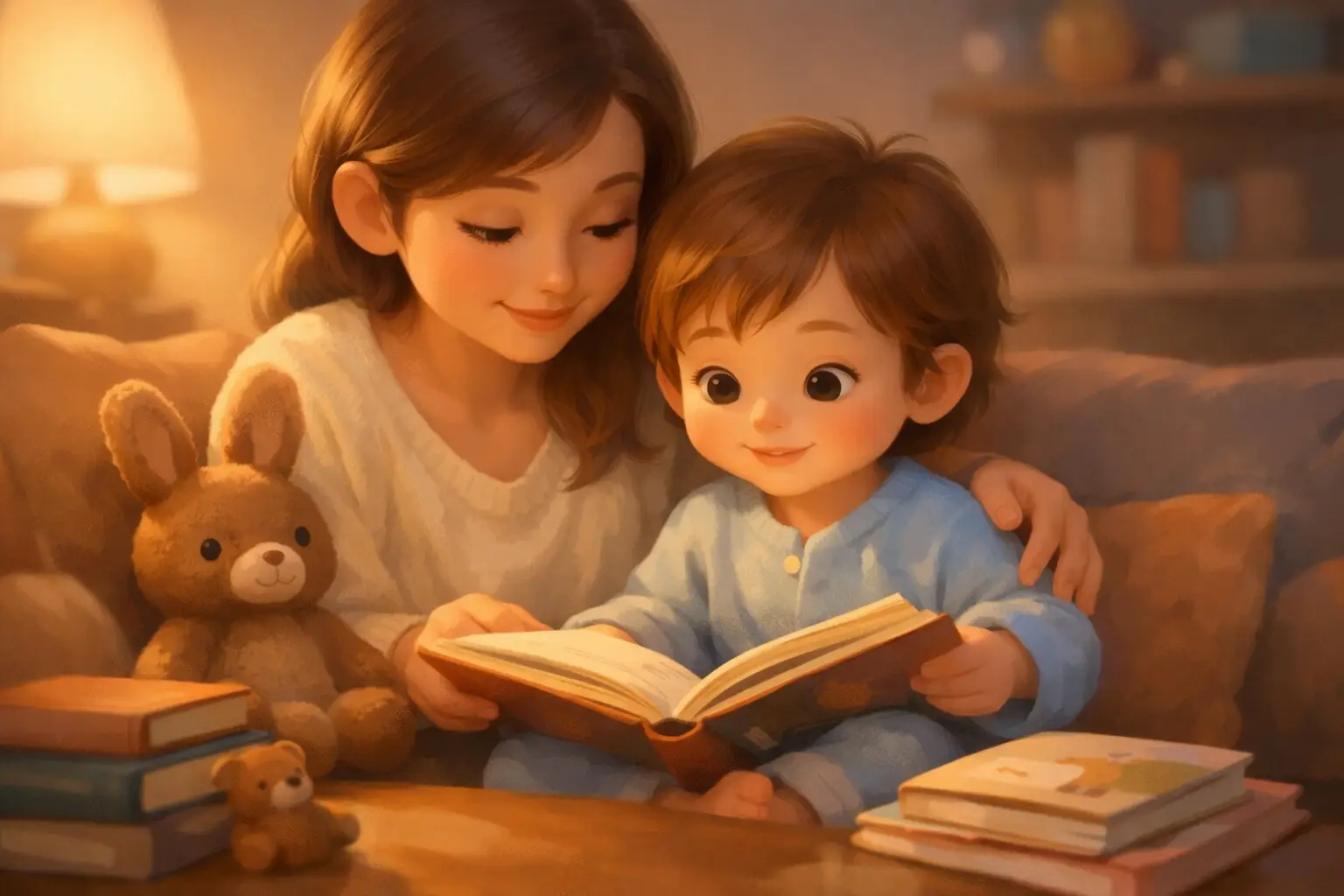
Some books leave a preschooler wound up right before rest time. Others help little shoulders drop, breathing slow, and hard feelings feel a bit more manageable. When parents ask for the best gentle books for preschoolers, they are usually not just asking for something cute. They are asking for stories that feel safe.
Gentle books do something special for ages 3 to 6. They offer simple language, steady pacing, and emotional clarity without becoming heavy or frightening. A good gentle story can help a child name sadness, recover from a mistake, ease into bedtime, or practice kindness with a friend. It can also give parents a calm way to start conversations that might otherwise feel hard to begin.
What makes the best gentle books for preschoolers?
A gentle preschool book is not only quiet in tone. It is also emotionally trustworthy. The story may include worry, frustration, or disappointment, but it handles those feelings with care. There is enough tension to feel real, and enough reassurance to help a child settle again.
That usually means a few things are working together. The illustrations feel soft rather than chaotic. The language is clear and warm. The conflict stays close to a young child’s world - bedtime fears, friendship bumps, missing a parent, making a mistake, trying something new. Most of all, the ending offers relief without pretending every feeling disappears forever.
This matters because preschoolers are still building their inner sense of safety. Some children enjoy silliness and fast plots, while others absorb every page deeply and need stories that do not overwhelm them. If your child is sensitive, slow to warm up, or carrying a big feeling into the day, the right book can feel like a hand to hold.
12 best gentle books for preschoolers
The Rabbit Listened by Cori Doerrfeld
This is one of the most comforting picture books for big feelings. When Taylor faces a hard moment, different animals try to fix it in different ways. The rabbit simply listens.
That quiet message lands beautifully with preschoolers. Children do not always need solutions first. They often need space to feel what they feel. This book is especially helpful after disappointment, tears, or frustration, and it gives adults a lovely model too.
Owl Babies by Martin Waddell
Few books capture separation anxiety with as much tenderness as this one. Three baby owls wake up to find their mother gone, and each responds in a slightly different way.
The emotional arc is simple and reassuring, which makes it ideal for preschoolers who struggle with drop-off, bedtime, or even brief separations. The repeated rhythm in the text also makes it soothing to read aloud.
Llama Llama Red Pajama by Anna Dewdney
This bedtime favorite works because it does not shame the child’s distress. Llama feels alone, worried, and increasingly upset while waiting for Mama.
The story moves through that fear and back toward connection. For some children, the escalating emotion may feel intense, so it depends on your child’s temperament. But for many preschoolers, it is deeply validating because the worry is real and the comfort is real too.
The Kissing Hand by Audrey Penn
This classic remains popular for a reason. Chester Raccoon does not want to leave his mother, and she gives him a simple ritual to carry her love with him.
Preschoolers often respond well to concrete symbols of connection. A kiss in the hand is easy to remember and easy to repeat before school, church, childcare, or any new transition. It can be a sweet support if your child needs a little extra reassurance away from home.
Bear Snores On by Karma Wilson
Not every gentle book needs to center worry. Some simply create a cozy emotional atmosphere, and this one does that beautifully. While Bear sleeps, friends gather in the den, sharing food and warmth.
There is a tiny bump when Bear wakes up feeling left out, but the resolution is warm and welcoming. This is a lovely pick for children who enjoy friendship stories with low stakes and a snug, safe feeling.
Franklin in the Dark by Paulette Bourgeois
Fear of the dark is common in the preschool years, and Franklin’s story meets that fear with kindness. He wants to stay safe in his shell, but he also wants to be brave enough to find his friend.
What makes this book work is that bravery is not treated like the absence of fear. Franklin feels afraid and still keeps going. That is a gentle, healthy message for young children.
When Sadness Is at Your Door by Eva Eland
This book is especially thoughtful for families trying to teach emotional awareness in simple terms. Sadness is shown as something you can notice, sit with, and care for without panic.
For younger preschoolers, some of the language may need a little parent support, but the emotional tone is very calm. It is a wonderful choice for quiet moments after a hard day or during conversations about grief, change, or unexplained tears.
My Many Colored Days by Dr. Seuss
This is one of the gentlest ways to introduce mood and emotion through color and movement. The text is simple, and the feelings are broad enough for little children to recognize without getting lost in explanation.
It works well as a conversation starter. A parent can pause and ask, “What color day are you having?” For preschoolers who are still learning to name feelings, that can be much easier than answering direct questions.
After the Fall by Dan Santat
This one is best for older preschoolers, especially ages 4 to 6. It follows Humpty Dumpty after his famous fall and gently explores fear, healing, and trying again.
The emotional message is lovely, but the idea of an accident may feel more serious than some younger or more sensitive children prefer. If your child is ready for a slightly deeper story about resilience, though, this book offers hope without forcing a cheerful mood.
Big Red Barn by Margaret Wise Brown
Sometimes the best gentle books for preschoolers are the ones that simply help the nervous system slow down. Big Red Barn has that quiet, lulling quality.
There is no major emotional lesson in the usual sense. Instead, it offers rhythm, predictability, and a peaceful world of animals settling into night. For bedtime reading, that can be exactly what a child needs.
Little Blue Truck by Alice Schertle
This book has a friendly, neighborly heart. Little Blue Truck moves through the world with kindness, greeting each animal along the way, and later that kindness comes back to help.
The pace is a little more lively than some others on this list, but the emotional core is still soft. It is a good fit for preschoolers who like a bit of action as long as the story stays warm and secure.
A Sick Day for Amos McGee by Philip C. Stead
This is a deeply peaceful picture book about care, friendship, and showing up for one another. When gentle zookeeper Amos is too sick to visit his animal friends, they come to him.
Everything about this book feels unhurried. The illustrations, the pacing, and the acts of kindness create a rare hush. It is especially lovely for children learning about empathy and reciprocal care.
How to choose gentle books for your own child
The right book depends on what kind of gentleness your child needs. Some children want books that are almost lullabies - soft, repetitive, and quiet from start to finish. Others need emotional validation first. A story about missing mom, feeling mad, or being scared can feel gentle too, as long as it leads the child back to safety.
It helps to think about timing. A bedtime book should usually settle the body, so calm rhythm and low-stakes plots often work best. A daytime read can handle a little more emotional movement if you want to talk about friendship, fear, or disappointment.
It is also worth noticing your child’s sensitivity level. One preschooler may find a book like Llama Llama Red Pajama reassuring because it mirrors their feelings. Another may get stuck in the middle and need something quieter, like Big Red Barn or A Sick Day for Amos McGee. There is no single right answer here. Gentle is personal.
Reading the best gentle books for preschoolers in a comforting way
Even a lovely book can feel too fast if it is rushed through. The way you read matters almost as much as the pages themselves. A slow voice, a warm lap, and a pause to notice a picture can make a story feel much safer.
You do not need to turn every reading session into a lesson. Often the gentlest approach is simply to wonder aloud. “He looks nervous.” “She misses her mama.” “That rabbit is being a quiet friend.” These small observations help children absorb emotional meaning without pressure.
If your family enjoys calming stories across formats, this is also where brands like Cozy Pebble Stories can feel especially supportive - children often benefit from hearing the same emotional themes repeated in books, songs, and soft story experiences.
A gentle book cannot remove every hard feeling from childhood, and it should not have to. What it can do is remind a child that fear can be faced, sadness can be held, mistakes can be mended, and love stays close. Sometimes that is the story a preschooler needs most.